Skip to content
100% Australian owned
(02) 4304 5988

Attachment guide

Excavator Bucket Types and When to Use Each One

Bucket choice affects digging speed, finish quality and wear. The right type depends on the ground, the work being done, the machine size and whether the job needs digging, grading, sorting or trenching.

  • GP vs mud buckets
  • Sorting and trenching
  • Fitment checks

What this guide covers

GP vs mud bucketsSorting and trenchingFitment checks
Excavator Bucket Types and When to Use Each One

GP buckets are the everyday digging option

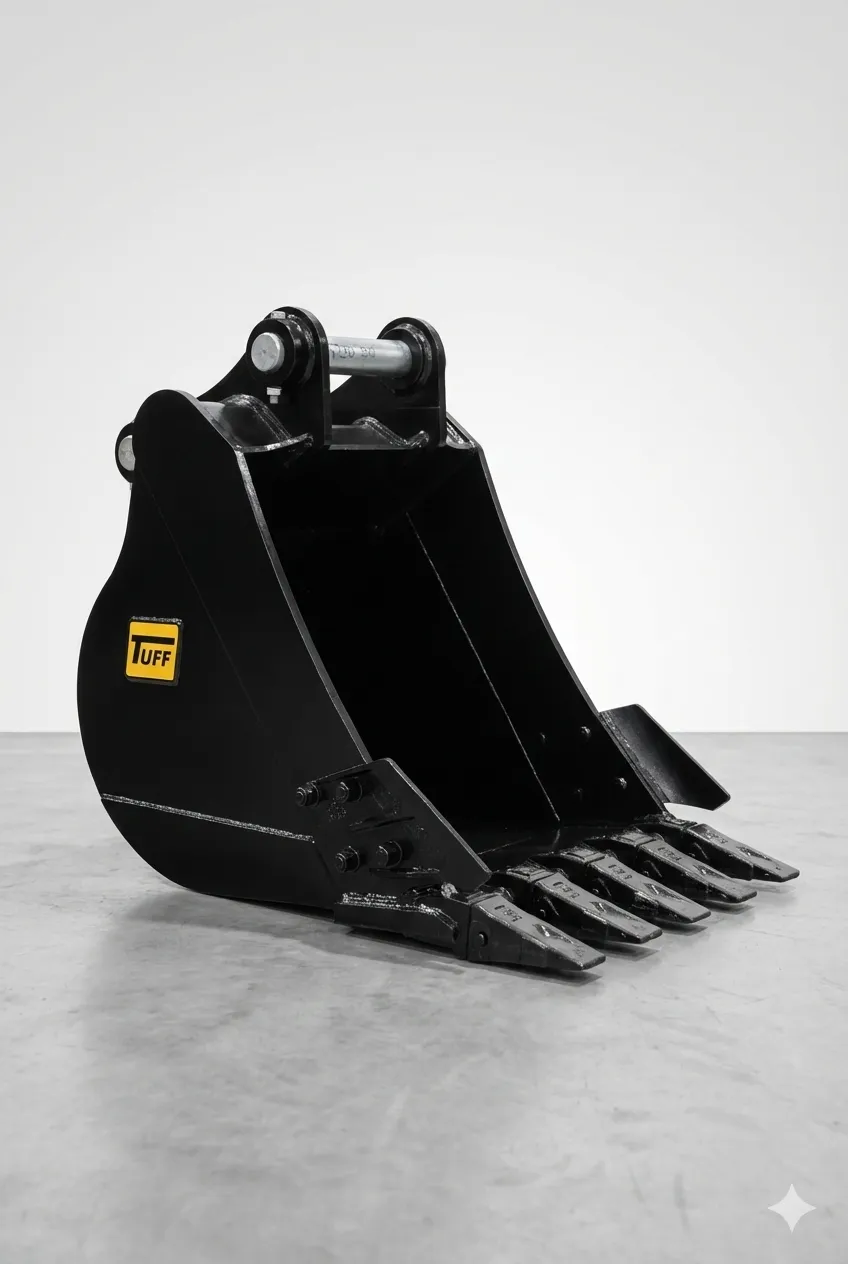
A GP bucket is the default choice for general excavation, loading and material handling. It suits mixed work where the operator needs a strong digging bucket before moving to more specialised attachments.

  • Best for general digging, loading and all-round site work.
  • Teeth and cutting edge condition have a big effect on productivity.
  • Useful when you need one bucket to cover several everyday jobs.

Mud and tilt buckets are finishing tools

Mud buckets move more loose or wet material and leave cleaner surfaces. Tilt buckets add angle control for batters, drains, slopes and finishing work where moving the machine repeatedly wastes time.

  • Mud buckets suit soft material, bulk clean-up and grading.
  • Tilt buckets help with slopes, batters and finishing around levels.
  • Width should match the machine and the work rather than chasing maximum capacity.

Sieve, trenching and rake buckets solve specific jobs

Specialty buckets are worth considering when the task repeats often. Sieve buckets sort rock and soil, trenching buckets cut narrow lines, and rake buckets help with roots, clearing and debris separation.

  • Sieve buckets help separate materials before loading or reuse.
  • Trenching buckets suit pipes, conduits, drainage and narrow excavation.
  • Rake buckets help with clearing, roots and bulky debris.

Quote checklist

Details to send before requesting a quote

Use this list to give the team the fitment, application and freight context needed to price the right attachment.

Send these details first

It helps the team confirm fitment, availability and freight faster.

  • Excavator make, model and tonnage.
  • Bucket type you are replacing or considering.
  • Preferred width, or the type of work the bucket needs to handle.
  • Pin diameter, pin centre spacing and dipper width.
  • Quick hitch details if fitted.
  • Photos of the current bucket, cutting edge and pickup.
  • Delivery suburb, pickup preference and timing.

Common questions

What is the best all-round excavator bucket?

For most mixed digging work, a GP bucket is the best starting point. A mud bucket or tilt bucket is usually added when finishing, grading or soft material work becomes common.

Is a wider bucket always better?

No. Wider buckets carry more material but can overload small machines or slow digging in hard ground. Match the width to the machine, material and task.

When should I choose a sieve bucket?

Choose a sieve bucket when you regularly need to separate rocks, rubble or oversized material from soil before reuse, disposal or loading.

Next step

Need help choosing the right attachment?

Send the guide details with your machine model, photos and timing. Tuff Buckets will confirm the practical next step.